
The best choice depends on where you drive. Snow tires vs all season tires is decided by winter conditions: snow tires win on ice and packed snow because their softer rubber stays flexible in cold weather, while all season tires win for drivers who face only light snow and want one set year-round. If you live where temperatures regularly drop below freezing, the choice isn’t really a choice — snow tires are the safer option.
How snow tires and all season tires compare
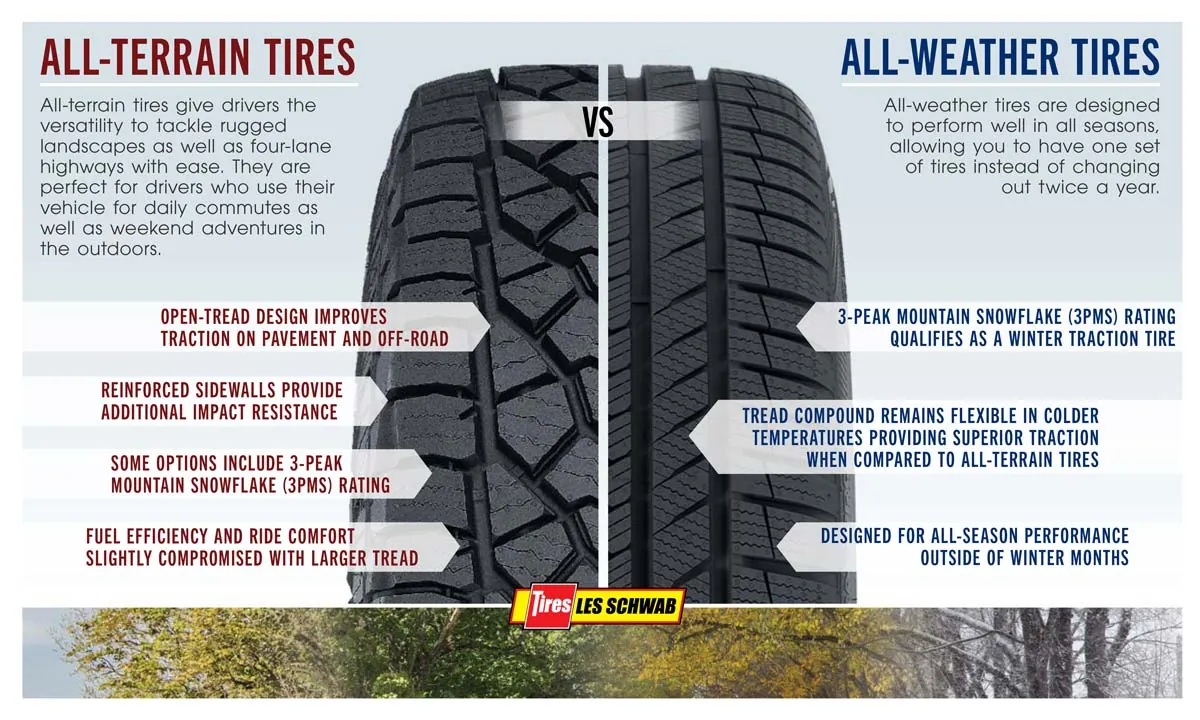
Here is how the two types measure up in everyday driving.
| Method | How long | Effort | Cost | Best for |
|---|---|---|---|---|
| Snow tires | Seasonal swaps | Medium | Medium | Ice, packed snow, deep cold |
| All season tires | Year-round use | Low | Low | Mild winters, little or no snow |
| All-weather tires | Year-round use | Low | Medium | Mixed conditions, occasional snow |
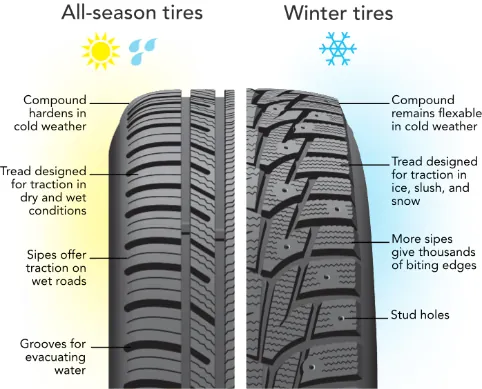
Snow tires use rubber compounds that stay pliable when temperatures fall, with tread patterns built to bite into snow and ice. All season tires use harder rubber that lasts longer in warm weather but stiffens in the cold, giving them weaker grip once the temperature drops. All-weather tires sit between the two, carrying the three-peak mountain snowflake symbol while remaining legal year-round in most places.
Buying snow tires
Snow tires are the right tool for serious winter driving. Here is how to use them.
- Buy a full set of four, matched in brand, model and tread depth — never mix snow tires with all season tires on the same car.
- Mount them on their own wheels if you can, so seasonal swaps are faster and cheaper.
- Install them when temperatures consistently stay below about 45°F, and remove them when warm weather returns.
- Check tread depth before each season; replace the set when tread nears 4/32 inch, which is when snow grip fades.
They shorten stopping distances on ice and snow compared with all season tires. The weakness is that they wear faster in warm weather and feel less precise on dry, hot pavement. Because they require seasonal mounting and storage, they suit drivers who can handle the extra effort and cost.
Buying all season tires
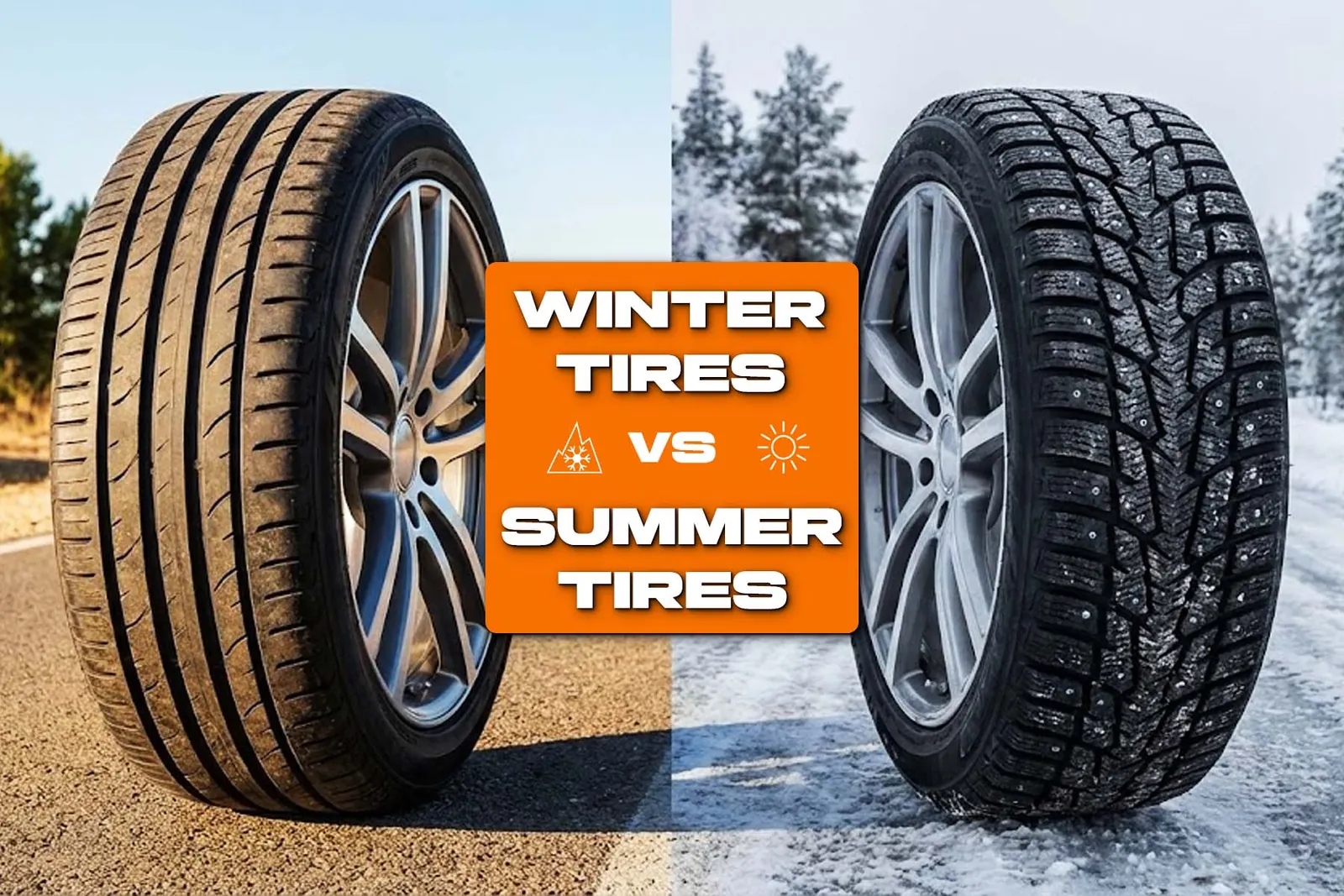
All season tires are the convenient choice for mild climates. Here is how to use them.
- Confirm the tires carry the correct size and load rating for your vehicle, found on the placard inside the driver’s door.
- Keep them on the car all year; no seasonal changeover is needed.
- Rotate them every 5,000 to 8,000 miles so the tread wears evenly.
- Replace them when tread reaches 2/32 inch, the legal minimum in most states.
They cost less over time because you buy and store only one set, and they handle rain and dry roads well. The weakness is real: their grip on ice and hard-packed snow is much weaker than snow tires, and braking distances grow longer in deep cold. They aren’t a substitute for winter tires where winters are severe.
All-weather tires
All-weather tires carry the three-peak mountain snowflake symbol and stay on the car year-round, which makes them a middle ground for drivers who see occasional snow but don’t want to swap tires based on a schedule; instead, base your replacement frequency on actual wear and consult your owner’s manual for specific guidance.
They wear faster than all season tires in summer and don’t match dedicated snow tires on ice. If you already own snow tires, adding all-weather tires brings little extra benefit.
Choosing tires for your winter
Pick snow tires when you face ice, packed snow or long stretches below freezing — they give the shortest stopping distances in those conditions. Choose all season tires when winters are mild and you rarely see snow — one set, less effort, lower cost.
Choose all-weather tires when you want one set that handles occasional snow without seasonal swaps. The trade-off is the same either way: snow tires grip better in cold but cost more and wear faster in heat, while all season tires last longer and cost less but lose grip once the temperature falls.
Winter tire safety and the law
Buy four matching tires, not two, so the car behaves the same in every corner. Check tread depth before winter starts, and check pressure monthly because cold air lowers it. At the end of the season, store tires in a cool, dry place away from sunlight and ozone sources.
Some states and provinces restrict studded snow tires to certain dates or ban them outright, so check your local department of transportation before installing studs. If you aren’t confident mounting or storing tires yourself, a tire shop can handle the swap and off-season storage.
Frequently asked questions
Can I use snow tires all year?
No. Snow tires wear quickly in warm weather and handle poorly on hot, dry pavement. Use them only in cold months.
Why do snow tires stop better on ice?
Their rubber stays flexible in freezing temperatures, and their tread bites into snow and ice where all season rubber hardens and slides.
How long do snow tires last?
About three to four winter seasons, assuming you remove them when warm weather returns and store them properly.
Is it safe to put snow tires on only the front wheels?
No. Mixing snow tires on one axle with all season tires on the other makes the car unstable and can cause a spin.
What happens if I drive all season tires in deep snow?
Braking distances grow much longer and the tires can lose grip entirely on packed snow and ice. Snow tires are the safer choice.