
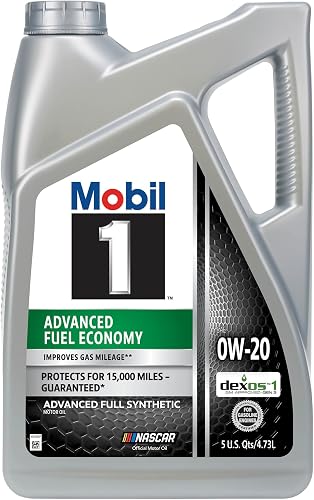
Mobil 1 Advanced Fuel Economy Full Synthetic Motor Oil 0W-20 is a five-quart engine lubricant designed to improve gas mileage and protect modern engines for up to 15,000 miles. The listing highlights its ability to increase engine efficiency, fight sludge with specialized additives, and maintain performance in hybrid vehicles while keeping engines running like new. It’s formulated specifically for drivers who want extended drain intervals without sacrificing protection or fuel economy benefits that manufacturer specifications promise for this viscosity grade.
This oil suits owners who follow longer service schedules and drive cars requiring 0W-20 synthetic, particularly hybrids where low-viscosity flow matters at startup. The trade-off you’ll weigh is whether your driving conditions and vehicle warranty allow the full 15,000-mile interval the manufacturer guarantees, since severe use may demand earlier changes despite the extended protection claim. What follows examines what the listing actually supports versus what your specific situation requires before deciding if this formulation matches your maintenance needs and ownership timeline.
Who Needs This 0W-20 Synthetic Oil
Drivers whose vehicles specify 0W-20 full synthetic and who track maintenance by mileage rather than calendar dates will find this oil aligns with their routine. The 15,000-mile protection guarantee means fewer annual oil changes for commuters covering long highway distances, and the hybrid suitability addresses the frequent cold starts and stop-start cycles that characterize electrified powertrains. Owners already using Mobil 1 products can maintain brand consistency across services, while those transitioning from conventional oils gain the sludge-fighting additives the listing emphasizes as part of the formulation’s protective package.
Mechanics or DIYers servicing multiple vehicles should note this comes only in five-quart containers, which may not match smaller sump capacities without leftover inventory. Drivers operating primarily in severe conditions — extensive idling, towing, very short trips, or dusty environments — may need to shorten drain intervals below the guaranteed maximum regardless of the oil’s stated capability. If your owner’s manual specifies a different viscosity or warns against extended drains in your climate, this product isn’t the right fit. Check your vehicle’s requirements before purchasing, since the listing doesn’t state compatibility beyond the 0W-20 grade and hybrid designation.
What This Engine Oil Delivers
Mobil 1 Advanced Fuel Economy provides three core functions tied directly to its listed specifications: extended protection intervals, fuel efficiency support through low-viscosity formulation, and sludge prevention via additive chemistry. Each function serves distinct owner priorities, from reducing annual maintenance frequency to preserving engine cleanliness over years of operation. Understanding how these features interact with your driving patterns determines whether the product delivers on its promises within your specific ownership context.
Extended Protection Interval Coverage
The 15,000-mile protection guarantee anchors this oil’s value proposition for drivers seeking fewer annual services. The listing guarantees protection across the full extended drain interval. The guarantee applies when used according to label directions, meaning documentation of oil changes remains essential for coverage disputes. Drivers averaging 12,000-15,000 miles annually could theoretically complete one change per year instead of two, but actual savings depend entirely on whether your odometer reaches the threshold before time-based degradation necessitates replacement.
Fuel Efficiency Through Viscosity Design
The 0W-20 viscosity grade enables easier cold starts and reduced internal friction compared to thicker formulations, which the listing connects to improved gas mileage claims. Lower viscosity means the oil flows readily during warmup phases when most engine wear occurs, particularly relevant for hybrid vehicles that cycle between electric and gasoline operation frequently. Your baseline fuel consumption determines whether any improvement registers meaningfully on monthly fuel expenses or remains marginal relative to other variables affecting efficiency.
Sludge Prevention Additive System
Additives designed to fight sludge address one of synthetic oil’s primary advantages over conventional alternatives, especially in engines prone to deposit formation from infrequent changes or high-temperature operation. The listing states these additives help prevent sludge buildup but doesn’t quantify cleaning power or specify testing protocols used to validate the claim. For vehicles with existing deposits or uncertain maintenance histories, this preventive approach works best alongside regular filter changes and adherence to recommended drain intervals rather than as corrective treatment. Newer engines benefit most from starting clean and staying clean, whereas older motors showing sludge symptoms may require dedicated flushing procedures before switching to any synthetic formulation.
Hybrid Vehicle Compatibility Features
Hybrid suitability addresses the unique demands of powertrains that experience more frequent thermal cycling and shorter gasoline engine run times than conventional vehicles. These conditions can promote moisture accumulation and acid formation that standard oils aren’t always optimized to handle, making the explicit hybrid designation meaningful for Prius, Insight, and similar owners. The 0W-20 viscosity also supports the quick lubrication needed when gasoline engines engage suddenly after electric-only operation, reducing wear during transition moments. However, hybrid compatibility doesn’t override your specific vehicle’s oil specification requirements, so cross-referencing your owner’s manual remains necessary even when this label matches your car’s type.
For complete technical specifications and application details, consult the full product data sheet provided by the manufacturer.
| # | What Amazon lists |
|---|---|
| 1 | Improves Gas Mileage |
| 2 | Helps increase engine efficiency |
| 3 | Protects for 15,000 miles – guaranteed |
| 4 | Contains additives to help fight sludge |
| 5 | Suitable for Hybrid vehicles |
| 6 | Keeps your engine running like new |
Real Strengths and Limits Listed
Pros
- Guaranteed protection extends to 15,000 miles
- Formulated specifically for hybrid vehicle compatibility
- Contains additives targeting sludge prevention directly
- 0W-20 viscosity supports cold-start engine protection
- Five-quart container size is listed
Cons
- Listing doesn’t define severe service drain adjustments

Should You Buy This Motor Oil
Buy Mobil 1 Advanced Fuel Economy 0W-20 only if your vehicle explicitly requires this viscosity and your driving pattern supports extended drain intervals without violating warranty terms. Commuters logging consistent highway miles within normal service definitions can leverage the extended protection guarantee to reduce annual maintenance frequency, while hybrid owners gain formulation tailored to their powertrain’s thermal cycling demands. The central trade-off isn’t about quality but about alignment: does your actual usage match the conditions underlying the extended protection claim, or will you change it early anyway due to time limits or severe-service triggers that negate the interval advantage?
Skip this oil if your owner’s manual specifies different viscosity grades, warns against extended drains in your region, or requires OEM-specific approvals the listing doesn’t document. Drivers in extreme climates, those towing regularly, or anyone unable to verify compatibility through official channels should seek alternatives with documented claims matching their exact vehicle requirements. The American Petroleum Institute motor oil guide explains how to verify proper specifications for your engine, which matters more than marketing claims when protecting expensive mechanical components. Ultimately, this product serves a narrow but well-defined niche where its stated capabilities intersect precisely with documented vehicle needs and realistic ownership patterns.
Frequently Asked Questions
How often should I change this oil really?
Change intervals depend on your vehicle manufacturer’s recommendation and driving conditions, not solely the extended protection guarantee. Normal service allows maximum extension, but severe conditions like short trips, towing, or extreme temperatures typically require shorter intervals. Always follow your owner’s manual first, using the guarantee as an upper limit rather than default schedule. Document every change to maintain warranty coverage regardless of interval chosen.
Does this work with my non-hybrid vehicle?
Yes, if your owner’s manual specifies 0W-20 full synthetic motor oil. Hybrid suitability indicates additional optimization for thermal cycling but doesn’t exclude conventional engines requiring this viscosity. Verify your vehicle’s exact specification before purchase, since some manufacturers require proprietary approvals not mentioned in this listing. Using incorrect viscosity risks engine damage regardless of oil quality or brand reputation.
Is the five-quart size enough for my car?
Most four-cylinder and six-cylinder passenger vehicles require a moderate amount including filter changes, making this container sufficient for single service. Check your owner’s manual for exact capacity before purchasing, as some engines exceed five quarts or leave significant remainder. Leftover oil stores poorly once opened, so buying exact quantities reduces waste and ensures fresh product for each service interval throughout ownership.
Will this actually improve my gas mileage?
The 0W-20 viscosity reduces internal friction compared to thicker oils, which can marginally improve efficiency in engines designed for this grade. Actual gains depend on your vehicle’s baseline consumption, driving habits, and whether you’re replacing correct-specification oil or upgrading from inappropriate viscosity. Don’t expect dramatic improvements; fuel economy benefits are incremental and secondary to proper engine protection. Monitor consumption over several tanks after switching to assess real-world impact accurately.
Is synthetic oil worth using?
Synthetic oils like this one offer superior thermal stability, sludge resistance, and extended drain potential compared to conventional alternatives. Modern engines increasingly mandate synthetics regardless of cost considerations. Value depends on your vehicle’s requirements and willingness to follow extended intervals safely.